 Josh Johnson
Notes from JJ
Two Cities, One Desk, and a Small Swarm
A delayed Monday note on the smallest viable office, the lab under its desk, and Astra as a design tool.
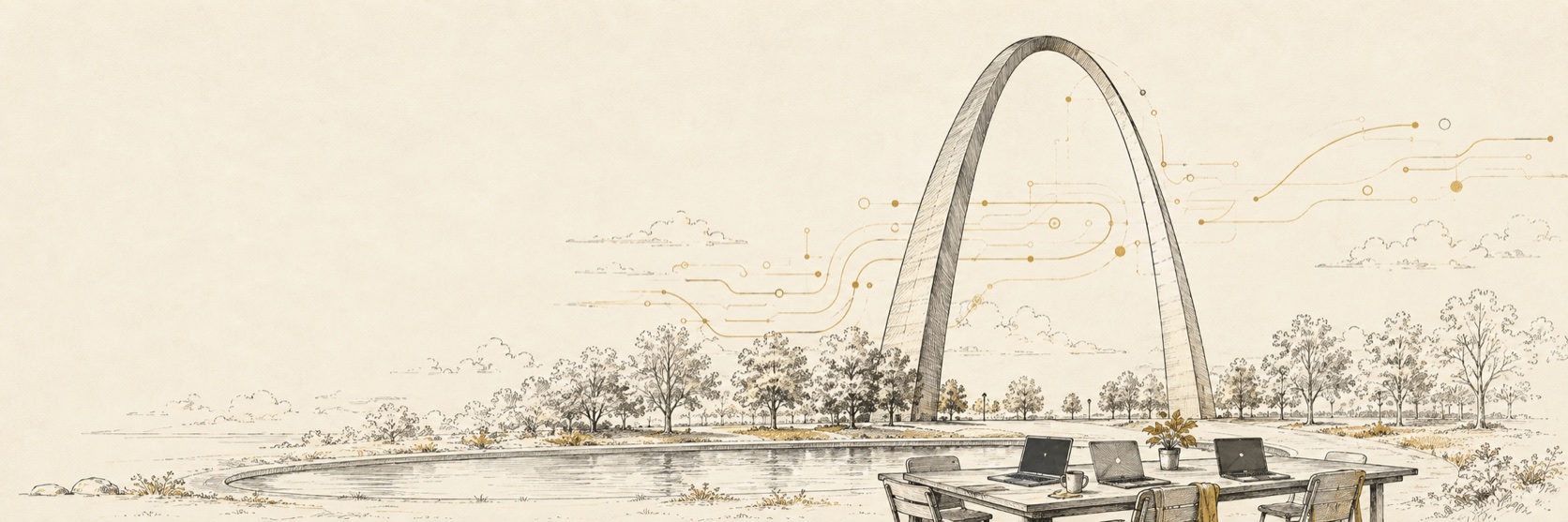
This Monday note is landing on Tuesday. I spent yesterday traveling home from St. Louis, and the delay is part of the story: I have been really enjoying a life split between Chicago and St. Louis.
That two-city rhythm has changed how I think about an office. It can be a small piece of infrastructure that keeps projects, machines, mail, and business workflows available whether I am in the room or not.
The Smallest Viable Office
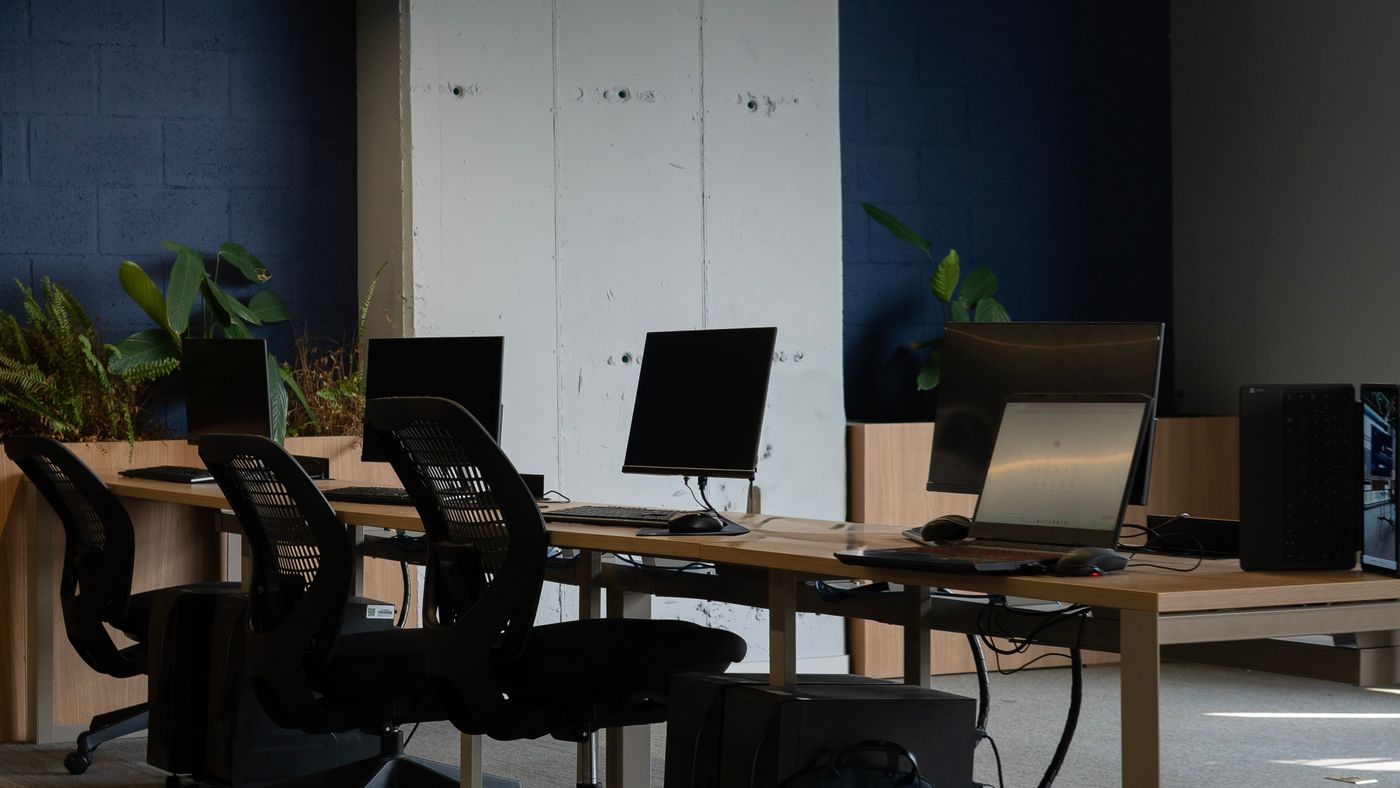
I am finally coming around to paying for a coworking space.
Reliable electricity, Wi-Fi, amenities, a real desk, and permission to receive business mail make it more than a nicer place to open a laptop. It is a cheat code for a highly available work situation without leasing and furnishing a full office.
That creates an opening for a new kind of micro-company. Plenty of service businesses do not need a staff on day one. Grant research, creative writing, transcription and translation, tutoring support, document production, and small digital studios can all be coordinated by one human with a box of agents and a short stack of documented procedures.
The agents can research, draft, organize files, prepare first passes, track deadlines, and keep routine work moving. The human still sets the standard, reviews the output, protects private information, and takes responsibility for what leaves the office. A small company can have a tiny footprint without pretending nobody is accountable.
The opportunity gets narrower as regulation rises. Agents can support a regulated business, but the right licenses and accountable human oversight still matter.
That distinction is the idea: choose work whose real requirements fit the footprint, document the process, and give a small team of machines useful jobs. One desk can become a legitimate operating base for several focused micro-companies—without confusing small with fictional.
The Mini Lab Under the Desk
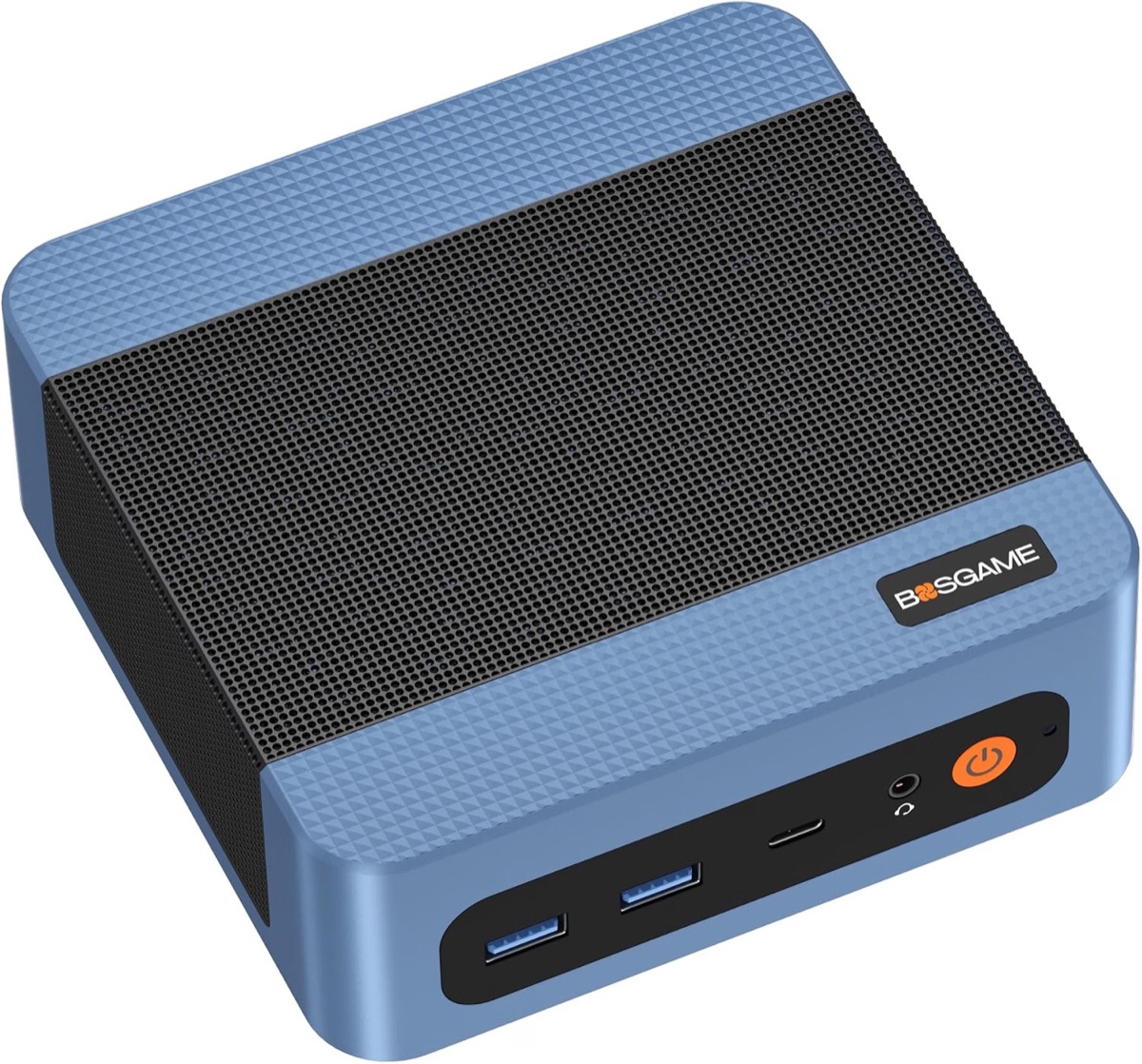
My recent technical work has been networking and hardware prep for a small lab in the St. Louis coworking space. A group of inexpensive mini PCs will live there as workers, while a master controller at my home in the Chicago suburbs coordinates the system.
Only the master needs a GPU. The St. Louis machines will run Hermes agents, with OpenRouter providing the model layer. Reasoning comes from the network; the local hardware handles tools, files, queues, and execution.
The jobs are practical: React Native and Flutter apps, business documents, cloud database architecture, light media generation, and whatever background work I can safely hand to an agent. Some tasks go to one worker. Others split across research, building, and testing.
The goal is not a giant data center. It is a dependable little factory that fits under one desk. Cheap hardware, remote networking, cloud models, and mature agent tools have made this kind of distributed lab surprisingly simple to assemble. I expect we will see a lot more of them.
Ah, technologia.
Astra Is a Design Tool Now

ChatGPT with GPT-6 Astra is the best damn design tool on the planet right now.
I do not mean only generating a hero image. People are using it to build the pieces that normally separate a functional website from a memorable one: beautiful footers, custom SVG systems, stronger layouts, interactive motion, and polished visual details that carry through an entire product.
Then the workflow gets stranger. Connect the agent to creative tools through MCP and it can help operate the environment, not just describe what to make. Blender scenes, materials, lighting, camera paths, renders, and Three.js experiences become things you can direct in plain language and refine through actual files and tools. OpenAI’s own examples now include editable Blender scenes, camera tours, Unreal Engine walkthroughs, and a gallery full of interactive 3D websites.
The limiting factor is moving from technical execution toward taste: can you see what should exist, explain it clearly, and recognize when the output is right?
I have been using Astra heavily for exactly this kind of work, but not for everything. It is a token eater. I save it for the moments where visual judgment is worth the spend and route routine jobs to cheaper models.
For people with vision, web design just became amazingly simple.
Quick Links
- GPT-6 Astra: OpenAI model overview — The frontier model currently getting my most demanding design work.
- Architectural Visualization with Astra: OpenAI Developers — An editable Blender scene developed into camera tours and an Unreal Engine walkthrough.
- Astra Website Showcase: ChatGPT Learn — Landing pages, storefronts, and interactive experiences built with React and Three.js.
- Hermes Agent: GitHub repository — The open-source agent harness I plan to run across the worker machines.