 Josh Johnson
Notes from JJ
Three Models, Three Terminals, and More Margin
The $45/month frontier stack, a practical agent layout, and the space to see the next move.

This week feels like a real inflection point. Gemini 3.8 Flash, Fable 5.1, and GPT-6 Astra have made the frontier-model conversation more interesting — and Meta's paid Muse Spark 1.3 adds a capable low-cost option to the mix.
There is no single winner. The real story is that a small, intentional model stack can now give one person a remarkable amount of leverage. The harder part is using it without filling every available inch of life.
The $45/Month Frontier Stack

My current setup is the $45/month plan: $20 for Gemini, $20 for ChatGPT, and $5 for Meta's paid Muse Spark 1.3. It gives me three frontier-capable models without treating every question like a precious, expensive event.
- Muse Spark 1.3 is my fast, inexpensive first stop for thoughtful prompt drafts and clean answers.
- GPT-6 Astra is where I go for hard reasoning, consequential plans, and work worth slowing down for.
- Gemini 3.8 Flash is a powerful execution option — closer to a Pro-class frontier model than its name suggests.
This is not a benchmark chart. It is a working-person's view from inside the tools. Model choice is becoming an operating decision: route work to the model that is best priced and best suited for that moment.
Give Your Terminals Jobs

The model stack only becomes useful when it has a shape. I run my businesses in folders and increasingly give each conversation a distinct role.
My default is a three-person workflow:
- The prompt architect. Turns fuzzy tasks into a strong brief, plan, or prompt sequence.
- The coding engineer. Builds features, traces failures, reviews diffs, and runs the technical loop.
- The business and document producer. Handles marketing, business-development material, email, research, and the documents that keep a project moving.
Those are three separate engineers — three separate chats, ideally in three separate windows. The point is not to ask one chat to carry every context, file, and decision. Inside any one terminal, the lead agent can also spin up a team of agents and coordinate parallel work.
Make Margin Before You Need It
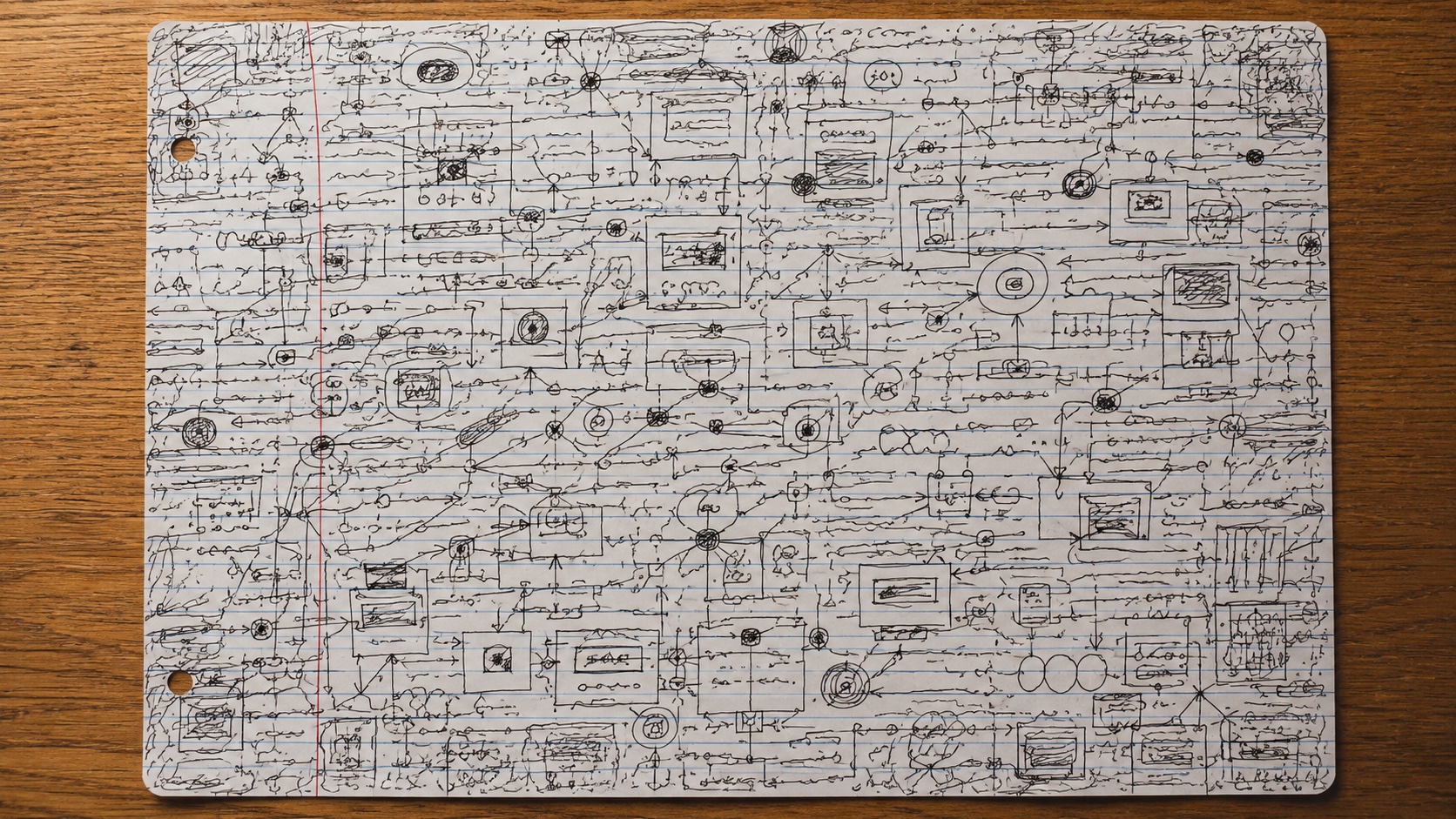
The most important part of this week's note is not a model release or a terminal trick. It is margin.
When life is wall to wall, it is easy to miss the bigger problem: there is no open space left for the things you say you want. New projects, better work, family, rest, freedom, even strategic thinking — none of it fits if every line of the page is already spoken for.
I recently quit my job, which created real margin for my own projects, my time, my sanity, and my freedom. That is a personal choice, not a prescription. I am not telling anyone to quit a good job. I am saying that deliberately creating room is one of the most serious professional moves a person can make.
Margin lets you see the moves on the board, distinguish urgency from importance, and give an idea time to become a plan instead of another tab you never reopen.
AI can help us do more. That is exciting. But if the only result is that we fill every recovered hour with more tasks, we have missed the point. The best use of leverage may be to make space — for better decisions, meaningful work, and a life that is not permanently at capacity.
Quick Links
- ChatGPT: Explore ChatGPT — A starting point for working with frontier models, projects, and agents.
- Gemini: Explore Gemini — Google's model interface for research, creation, and execution work.
- Meta AI: Explore Meta AI — Meta's AI experience and model ecosystem.
- OpenClaw: OpenClaw on GitHub — A reference point for thinking about persistent, agentic workflows.