 Josh Johnson
Notes from JJ
New Chapter, Same Great Taste
A new role at MathCo, Argon in the rotation, and why your first coding agent might not need a subscription.

The job search has an ending, the side projects do not, and my AI subscription math keeps changing. This week: a little life news, a model I've been putting through its paces, and a free starting point I should have told you about sooner.
New Job. Same Need to Make Things Make Sense.

I got a new job. I'm starting as Associate Principal of Engineering at MathCo, in Chicago, and I'm excited about it.
The work will be in a similar lane to what I was doing at Beghou: engineering, data, and helping organizations turn a pile of information into something they can actually use. The time off was a success, too. More time with my kids, more building together, and enough room to remember how much I like making things.
You'll probably see more industry and pharma detail here going forward. Not because this is turning into a trade publication. It's just the work I spend a lot of time thinking about, and there are useful ideas hiding in it.
If you've ever had three systems give you three different answers to the same question, you're already qualified for the conversation. The pharma version has its own vocabulary, but the underlying problems—messy data, disconnected tools, decisions that need to be right—travel well.
I'll bring the industry context. You shouldn't need an industry dictionary.
Argon Is Getting Hours. Astra Still Gets the Hard Stuff.
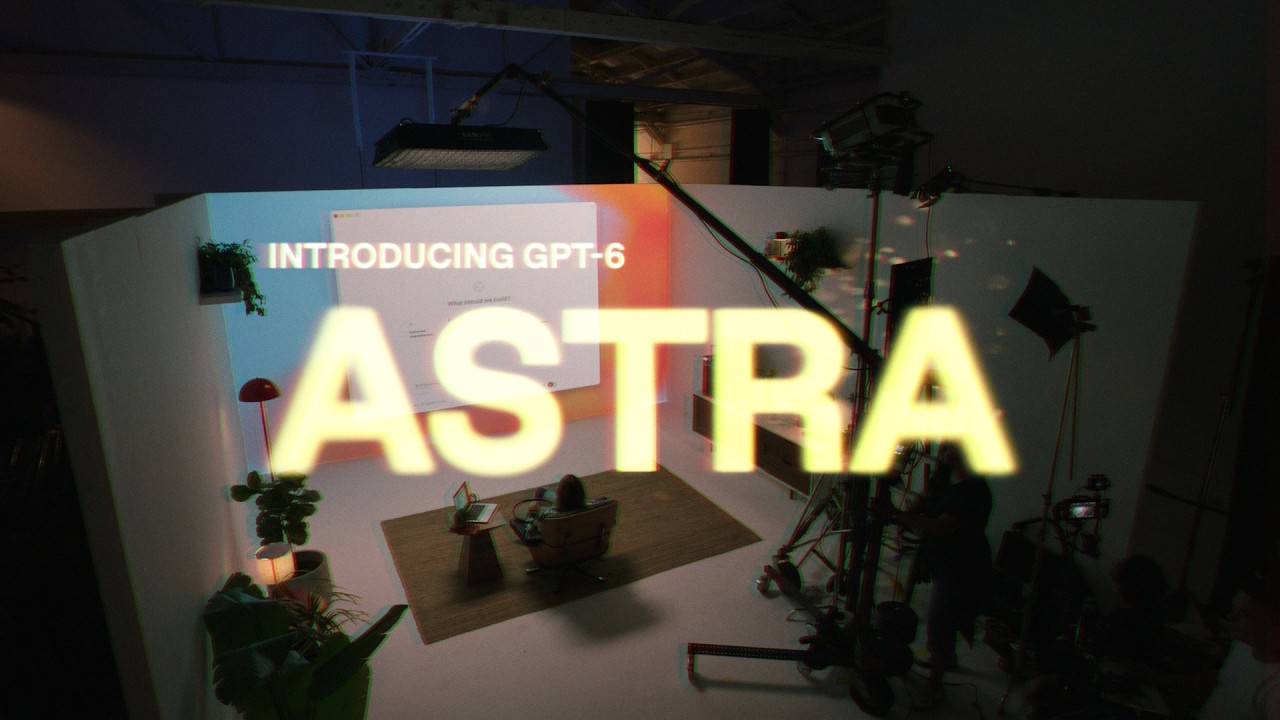
I've been going absolutely nuts testing Gemini 4 Argon. I really do love it. Just not in the “replace everything else immediately” way.
Astra is still what I reach for when a task is genuinely difficult, especially design. Lately that means Flutter apps and Dart files, API wiring, Supabase and PostgreSQL backends, and Cloud Run deployments. I like how much of the whole job it holds together: the interface, the connections, and the details I would otherwise have to go back and ask for.
Argon has earned a different place in the rotation. Once I crank up the setup I've been using—what I've been calling “turbo mode”—the output gets beautiful. I'm enjoying having another model that makes me want to keep experimenting.
Which brings me back to that Van Gogh experiment: can a model recreate The Starry Night from memory, in code, without a reference image? I'm turning it into VanGoghBench so I can revisit a consistent creative task when new models arrive.
It's still being built, and one art task won't crown the best model at everything. But it gives me something more useful than launch-day vibes: the same assignment, the output in front of me, and a reason to look closely.
Before You Buy Another Subscription, Try OpenCode.
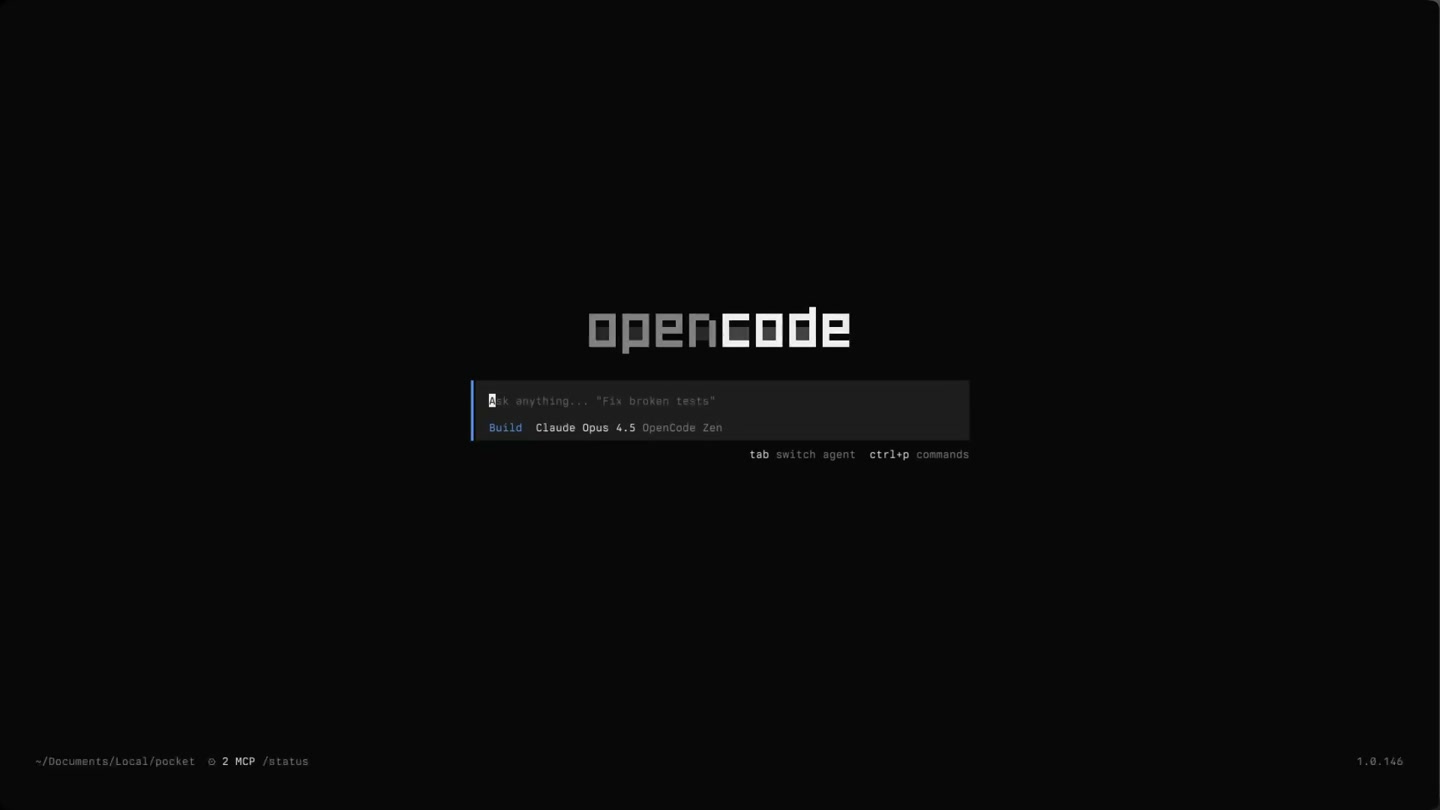
Somehow I haven't given OpenCode its own article here. That's an oversight. If you work in engineering, data, or analytics—or you're curious about making your first app—it's worth a look before another $20 leaves your account.
OpenCode is an open-source coding agent. You give it a project and a task; it can help work through the files and changes, rather than just hand you a code block to paste. You still review what it does. Start with a disposable project, not the production database.
I've been getting a lot of use out of inexpensive Chinese models through it. The current OpenCode catalog lists MiniMax M3.1 Flash Free and DeepSeek V4.1 Flash Free, alongside other free options. These are limited-time offerings, not a promise of unlimited inference forever. Check the live list and your account's limits.
My own subscription pile is shrinking. I dropped the $5 Muse subscription: the free tool is so f@#&ing useful that I wasn't reaching for the paid part enough to justify even that. This isn't a review of Wonder; it's me noticing what I actually use.
I still pay for Astra, so I'm not declaring paid models pointless. But I don't think OpenAI or Anthropic automatically win the everyday value argument anymore. For plenty of personal projects, “good enough to build the thing” is already here at a much lower starting price.
Try the free route first. Pay when you can name what you're missing. And keep employer code, credentials, and sensitive data out of unapproved tools; model-specific data policies differ.
The Takeaway
- New role, same curiosity. More pharma and data context, explained like a conversation.
- Test what you actually make. That's the point of VanGoghBench.
- Start before you subscribe. A small project is a better test than another pricing-page debate.
— Josh
Quick Links
- MathCo: Meet the company
- VanGoghBench: Follow the work on GitHub
- OpenCode: Get started · Check models, pricing, and data policies
- Catch up: Week 18—classrooms, toolbelts, and rabbit holes