 Josh Johnson
Notes from JJ
A Classroom, a Toolbelt, and a Rabbit Hole
Making our homeschool setup useful to other families, finding your own $20 AI value, and letting Muse feed my hardware habit.

I've been doing a lot of building this week. It's made me think about what other families could use—and why we don't all want the same things from AI. It's also had me looking at used networking equipment like it's a competitive sport. A balanced life, obviously.
The Curriculum Is the Point
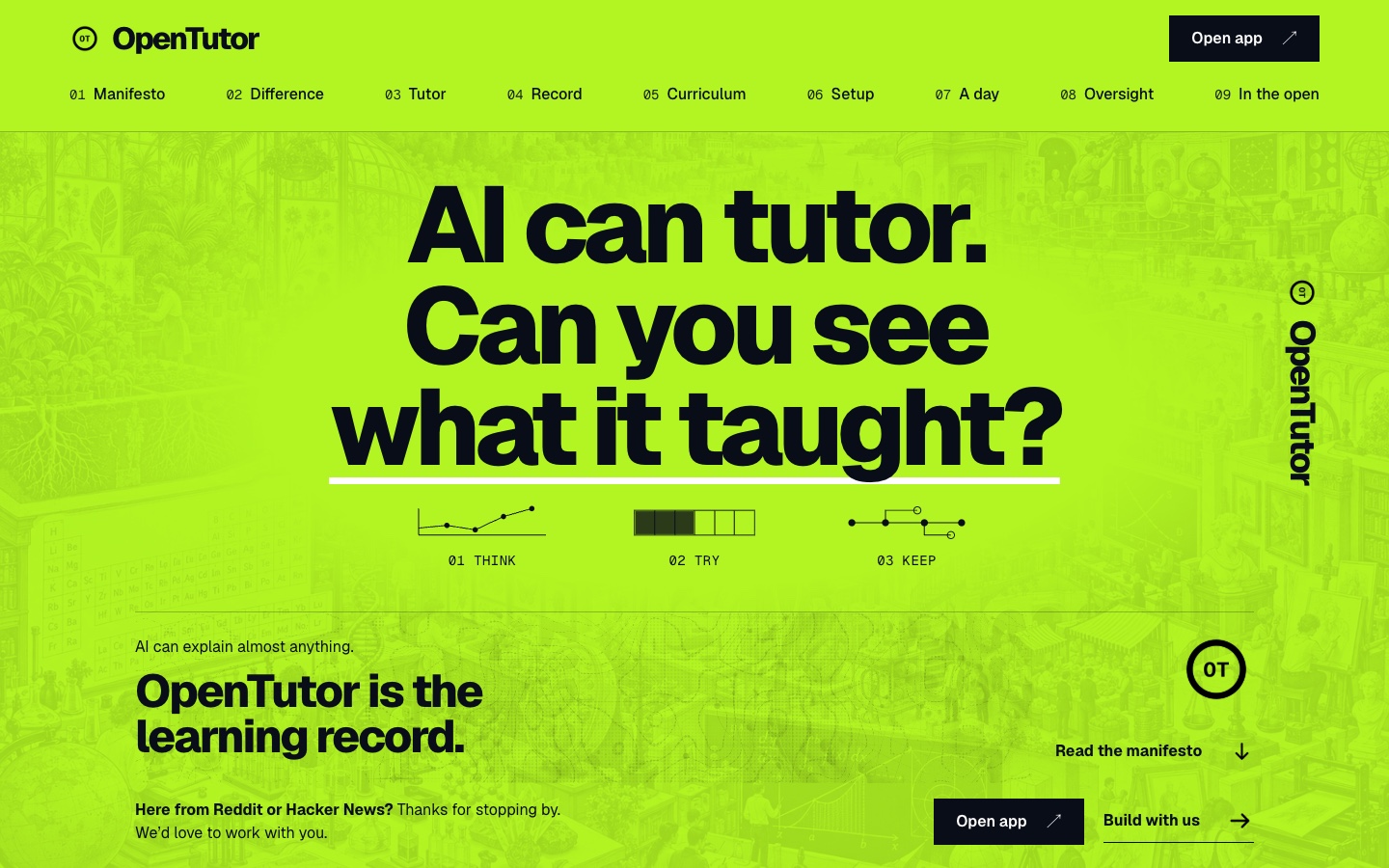
A few months ago, I put a whitepaper on LinkedIn about how we homeschool. The setup involves Discord, GitHub, and AI: a place to ask questions, a record of the work, and help when someone gets stuck. I've been turning that process into OpenTutor.
My oldest is 13, in eighth grade, and likes ChatGPT Pro because it bundles so much of what he wants: coding, homework help, image generation, and working with agents. My ten-year-old, in fifth grade, gravitates toward Gemini. We've been exploring Google's creative and coding tools, including Flow and Antigravity, and the detailed 3D renders and game meshes he's making genuinely impress me. This isn't just “good for a kid” work.
They're learning the things I know how to teach. But I realize “spin up an agent and a Discord classroom” isn't a reasonable starting instruction for every parent. Younger learners also need adult-operated tools, not a stack of accounts they aren't eligible to use.
The content is the bread and butter. Lessons, projects, and a parent willing to stay involved matter more than the software. You can use the materials without running our whole setup—even print them.
The broader ambition is K–12. What's public today is a developing K–8 library, with coverage that varies by grade. I'm building out persistent logins, school and student profiles, and gradebooks next. Those pieces are still in progress.
An AI tutor can help explain a lesson. I'm still the parent choosing the work and checking what actually happened. That's the part I want the platform to make easier to see.
Click around OpenTutor → Tell me what makes sense, what's missing, and where a less technical family would get stuck. That's feedback I can build with.
Same Twenty Dollars. Different Value.
It's been a few weeks since I did a tools rundown. The frontier models are good. But “which subscription is worth it?” is becoming a question about taste, habits, and what you actually want to make.
ChatGPT Plus, Claude Pro, and Google AI Pro sit around the $20-a-month mark in the US. Same neighborhood on the bank statement. Very different value depending on who's using them.
I lean OpenAI because I spend so much time building with agents. In my own setup, Luna handles routine steps, GPT-6.1 Sol does most orchestration and planning, and Astra has been getting more work as I take on full UI redesigns and API wiring. I like the way those tools fit together. That isn't a promise that every model or allowance comes with the entry plan.
If Claude's writing, coding, and way of collaborating click for you, I get it. They've got a hell of a lineup. I'd be interested in a Haiku 5.5 / Opus 5.5 pairing. I usually access Claude through the API, which is a different bill from a subscription—not a fair comparison to someone's everyday Pro experience.
Google's bundle lands differently again: creative tools, 5 TB of storage, and YouTube Premium Lite. If your camera roll is a second full-time job, that storage might settle the question before you ever compare a model. My kid's 3D work makes the creative side feel a lot more compelling than another benchmark score.
I'm watching Gemini 4 Argon's rollout, too. But I don't need an unreleased-to-me model to explain why someone else already loves Gemini.
Taste counts. Use counts. A tool you enjoy opening and actually build with can be a better twenty dollars than somebody else's leaderboard winner. Check the limits, then ask what you'd use it for on an ordinary Tuesday.
Muse Has Found My Weakness: Used Lenovo Hardware
Muse keeps expanding: more connectors, ESP32 and Linux device SDKs, and today's Wonder models for agentic work. I haven't used Wonder yet. A benchmark chart isn't my review.
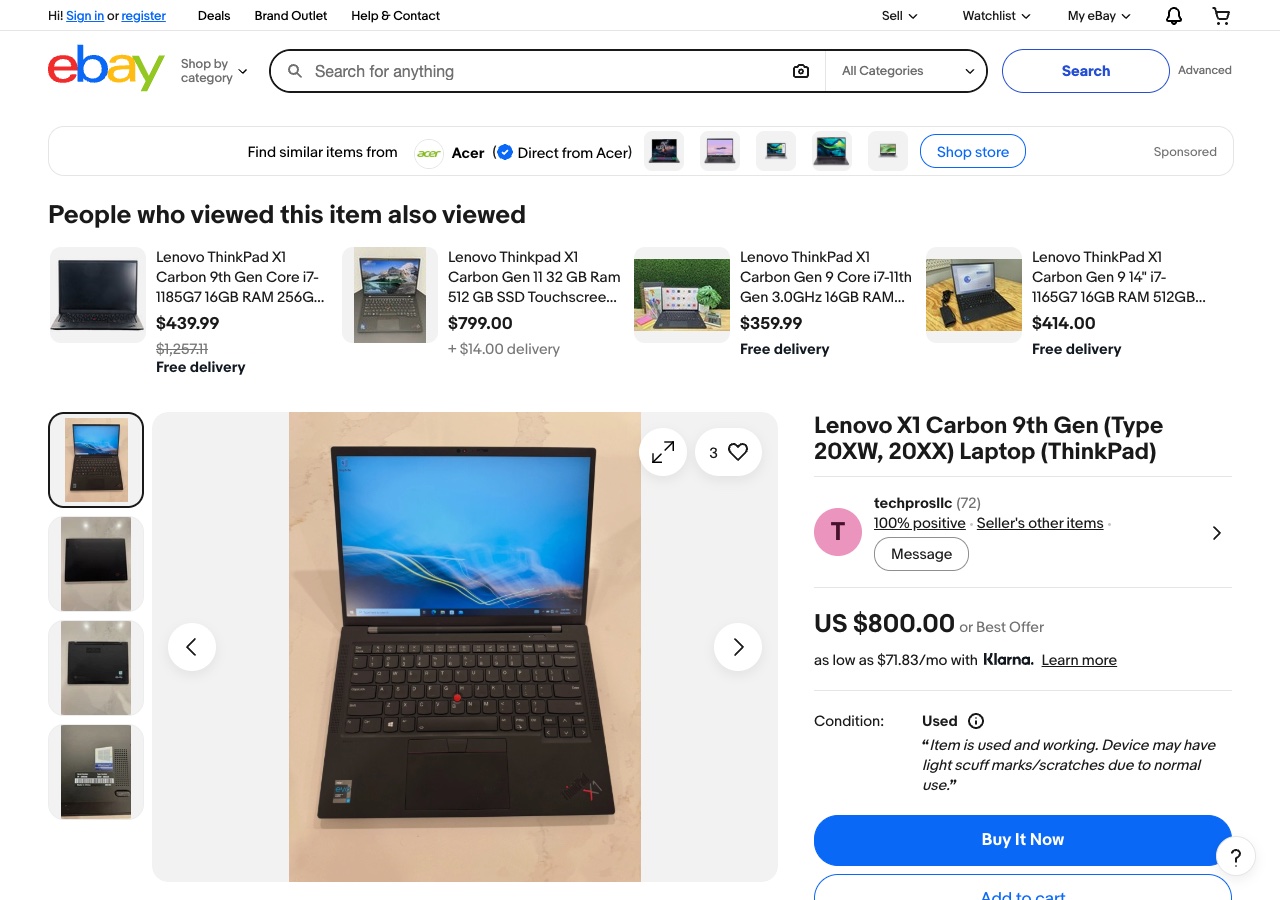
What I have been using is Muse to find Lenovo hardware and networking equipment on eBay. Mini PCs pulled me back into the hardware rabbit hole. Understanding networking better apparently means browsing switches and routers for fun.
eBay with Muse is like mainlining temptation: only the best shit, all day. I haven't bought anything yet—just a competitive underbidder looking for action near the end of an auction.
The job-search process is still in progress, too. Muse has helped keep applications moving and conversations coming in. The process works.
And cross-posting to Instagram, Threads, and Facebook is finally less of a chore. I'm not Mr. Influencer; Muse makes it easier to show up without repeating every step. My tech posts on Threads get engagement that reminds me of X, Reddit, and Hacker News. That's my corner of it, but it's enough to keep experimenting.
Employment, distribution, and window-shopping for a router. We are not a monolith.
The Takeaway
- Start with the lesson, not the stack. The parent still sets the direction.
- Value is personal. Choose the bundle you'll actually use, not just the model that wins a chart.
- Notice what you actually repeat. That's where an agent starts earning its place.
— Josh
Quick Links
- OpenTutor: Explore the project and curriculum
- OpenAI: Current model lineup
- Claude: Haiku 5.5 · Opus 5.5
- Muse: Gadgets and device SDKs · Wonder announcement
- Catch up: Week 17—small decisions and legally ambiguous lunch