 Josh Johnson
Notes from JJ
Sprout CLI 1.0, Opus 5 Economics, and Building Modular AI
Shipping a real CLI, routing the right brain to the job, and the four pillars of modular AI
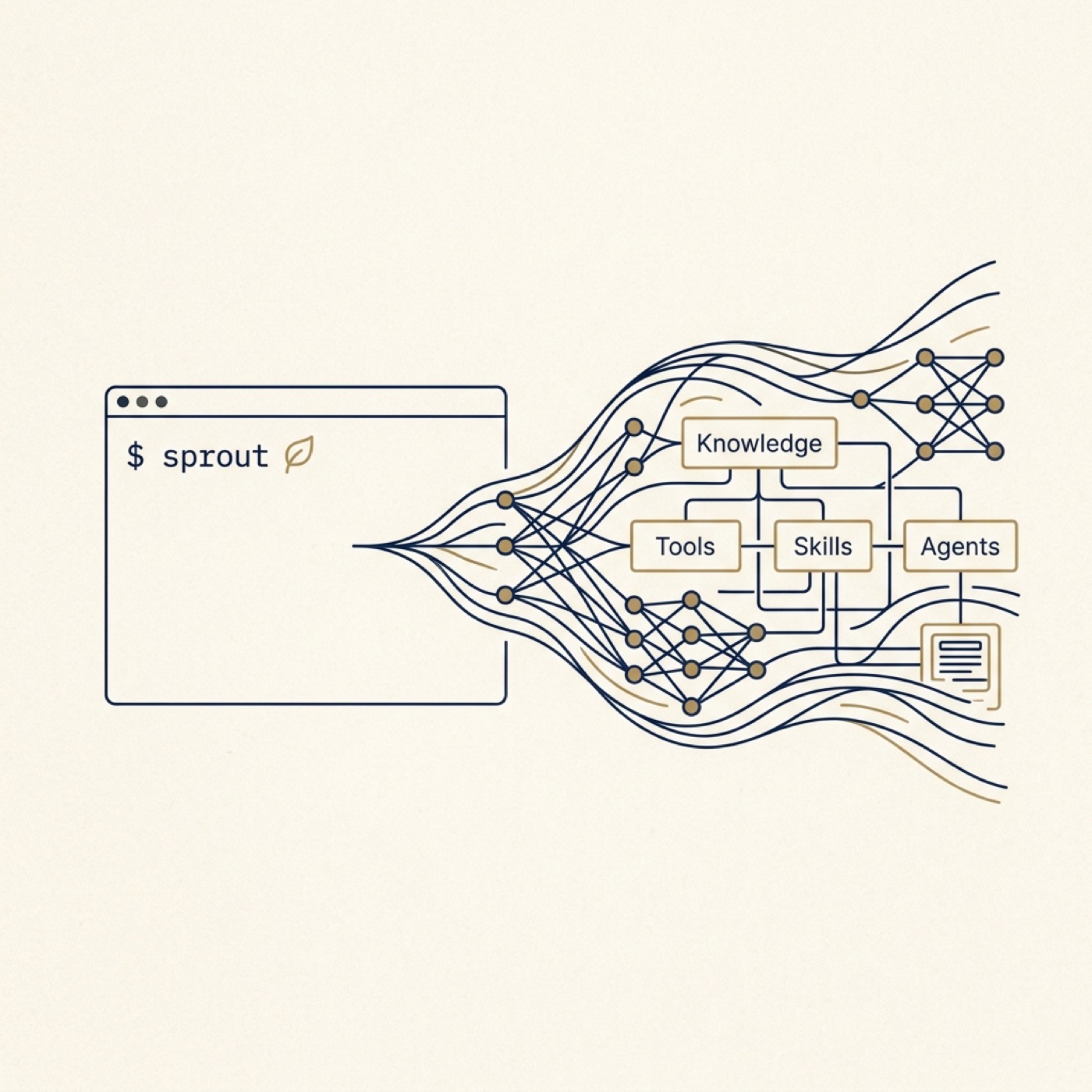
This week, I've been heads down shipping the 1.0 release of Sprout CLI, evaluating the strategic economics of Claude Opus 5 vs Gemini 3.6 Flash, and breaking down how to push AI usage past basic prompt search bars into full modular agent architecture.
Sprout App: Building a Functioning CLI 1.0
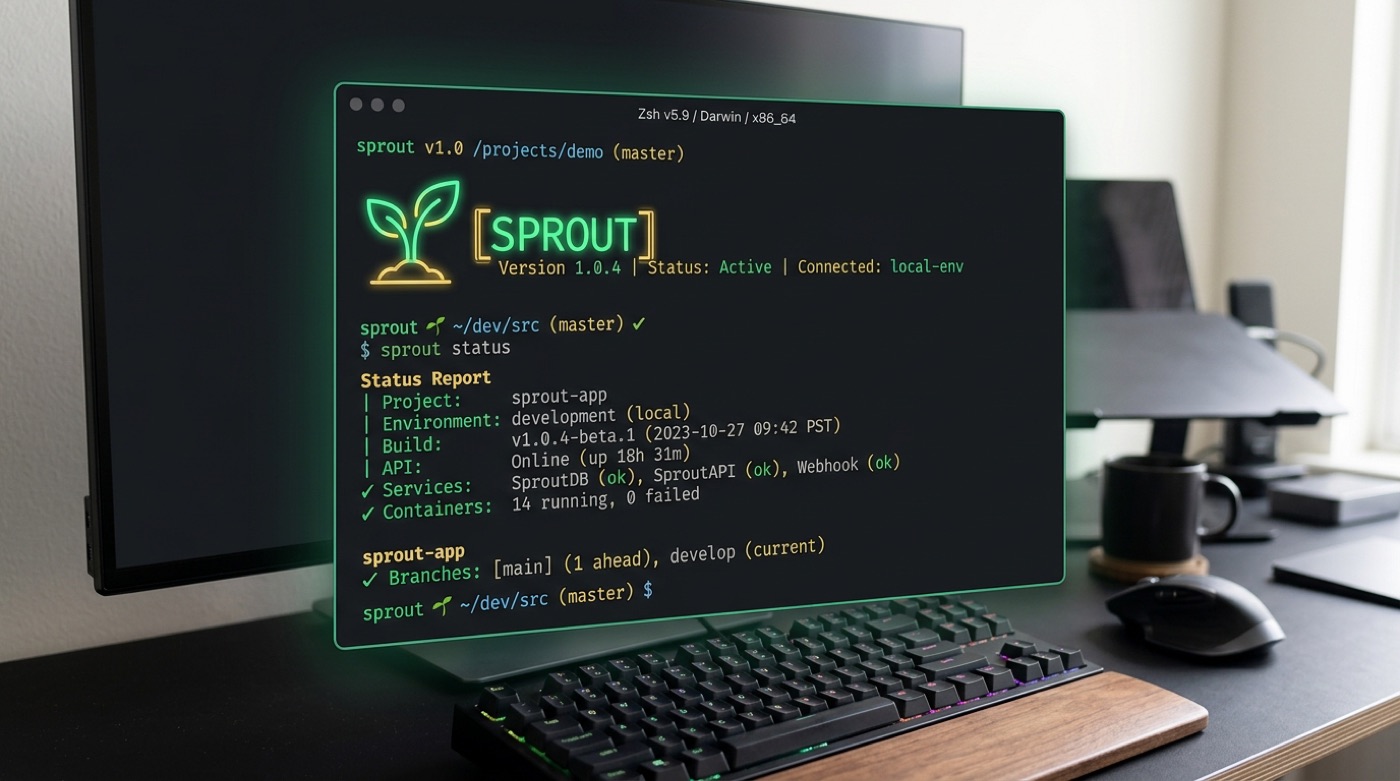
Over the past few weeks, I've been putting a lot of focused work into understanding, architecting, and producing a fully functioning command-line application: Sprout.
At its core, Sprout is an environment debugger that automates program installations and fixes broken or corrupted installs.
When you're building agentic AI workflows, half the battle is environment sanity — ensuring packages, CLI binaries, and system dependencies are placed exactly where your AI brain expects to find them. These days, I just have Sprout handle installing all my apps and tools automatically.
Sprout is officially at version 1.0. It's a solid, functioning baseline, but 1.0 is ultimately just the beginning. Community feedback is huge:
- Sprout Website & Docs: Explore Sprout 1.0
- Join the Sprout Discord: Join the community
Strategic AI Economics: Gemini 3.6 Flash & Claude Opus 5
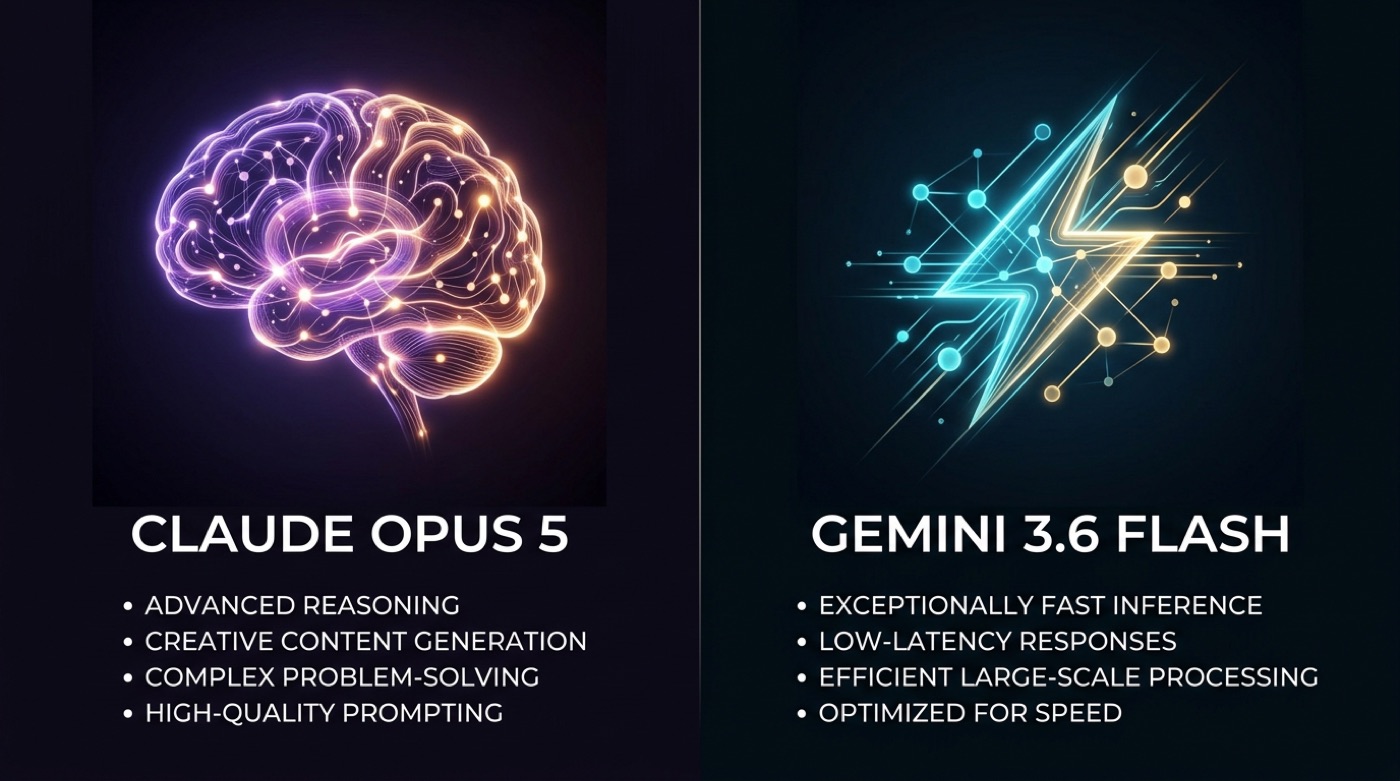
The model landscape had two notable updates recently with the release of Gemini 3.6 Flash and Claude Opus 5.
Early benchmarks show Opus 5 performing at or near Claude Fable levels of complex visual reasoning — at roughly half the cost.
I don't use every model for every task. There are clear tactical reasons to route specific workloads:
- Bleeding-edge design & graphics: Complex visual math and design architecture go to Opus 5.
- Everyday productivity & development: Emails, newsletters, pair-programming CLI features, local scripts — Gemini 3.6 Flash is blazingly fast and more than capable.
Understanding your workload and picking the right brain for the job keeps performance high without burning through your computational budget.
Pushing the Boundaries: Moving to Modular AI

Here is the secret: most people are still using AI models as an enhanced Google search bar.
Asking a model isolated questions in a browser window is only 5% of what's possible. AI becomes exponentially more powerful when you surround the core LLM with four pillars:
- Knowledge (RAG): Structured domain context, documentation, vector search, and local environment knowledge.
- Skills (Memories): Standardized procedures, domain guidelines, and persistent context rules.
- Tools (Hands): Terminal APIs, database connectors, file system ops, and web fetchers.
- Jobs (Autonomous Agents): Background, event-driven, or scheduled workers that notify you when finished.
When you assemble these pieces, AI stops being a chat box and starts operating as an always-on workforce.
— Josh
Quick Links
- Sprout Website: Explore Sprout CLI
- Sprout Discord: Join the community
- Gemini 3.6 Flash: Explore Gemini & Antigravity
- Claude Opus 5: Anthropic news